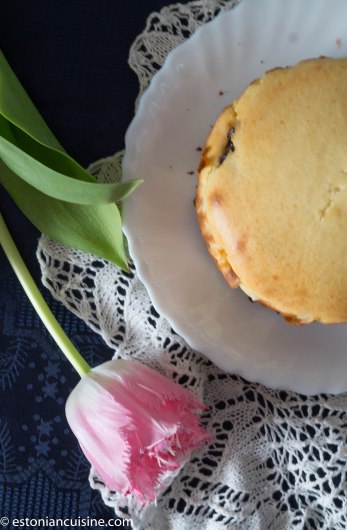
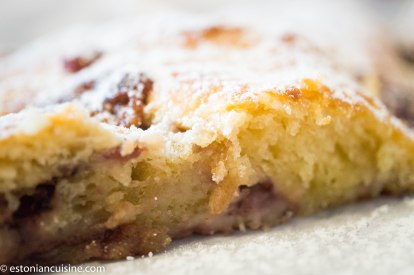
Estonian Kringel with marzipan and cowberry filling. Kringel.

kringel (20)Kringel is something very important in Estonia.
Does not matter. Birthday or christening.  Sweet, warm, soft bread is in the place. The smell in the house while baking is divine. Hardly could someone resist this rich and buttery, mouth-watering Kringel.
I have written that Estonians like black rye bread. So Kringel, delicious, fluffy and sweet bread, full of butter and sugar was an important dish during events. Later came the custom, that the girls got for christening a cake and boys got Kringel.

Kringel is so important that we do not use this name only for delicious pastry. If very cold and freezing, we are saying: ” Külmast Kringel/ Cold made from me Kringel” And playful, disobedient, a restless child is “Kringel”

When we celebrate our birthdays in a workplace, Kringel is a very comfortable and easy solution. And there are not only sweet options. Estonians like Kringel with savoury filling: cheese, ham, mushrooms…, as well.
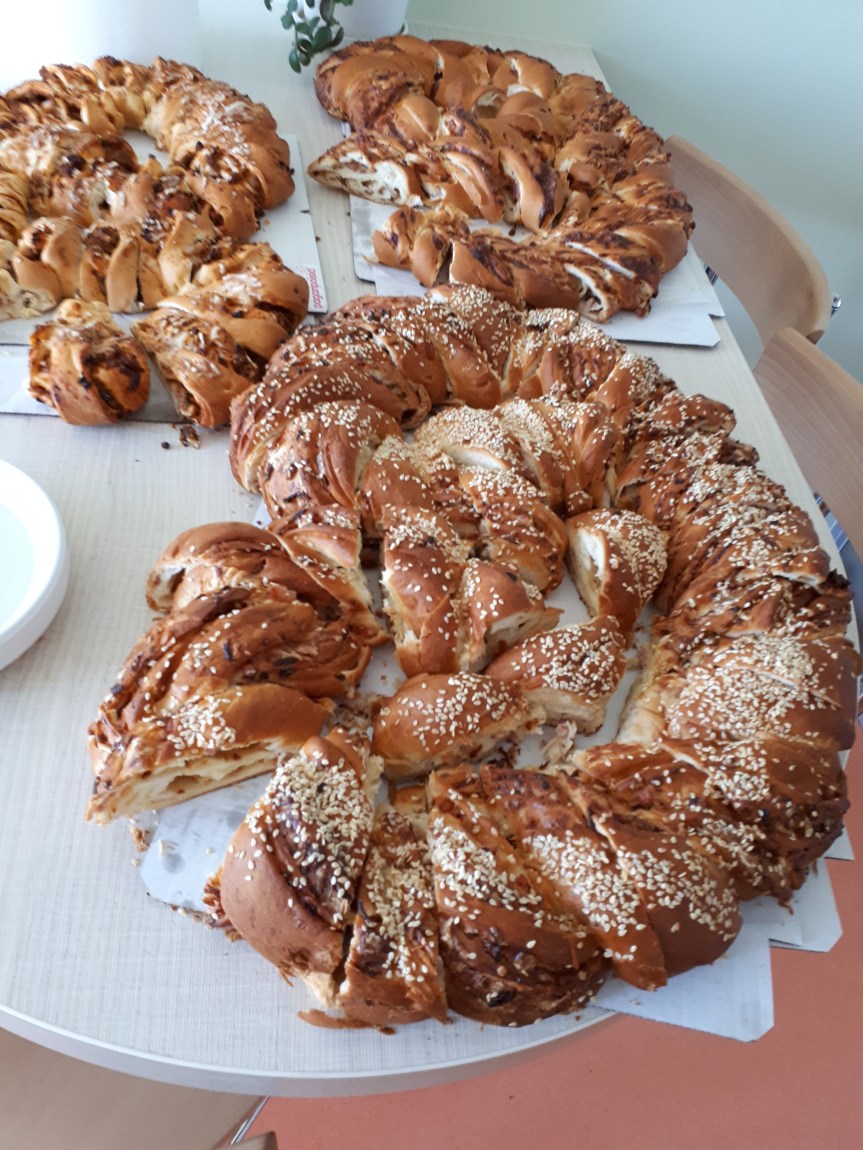
Birthday Kringel in workplace
Workplace Birthday party Kringel

Just name it.

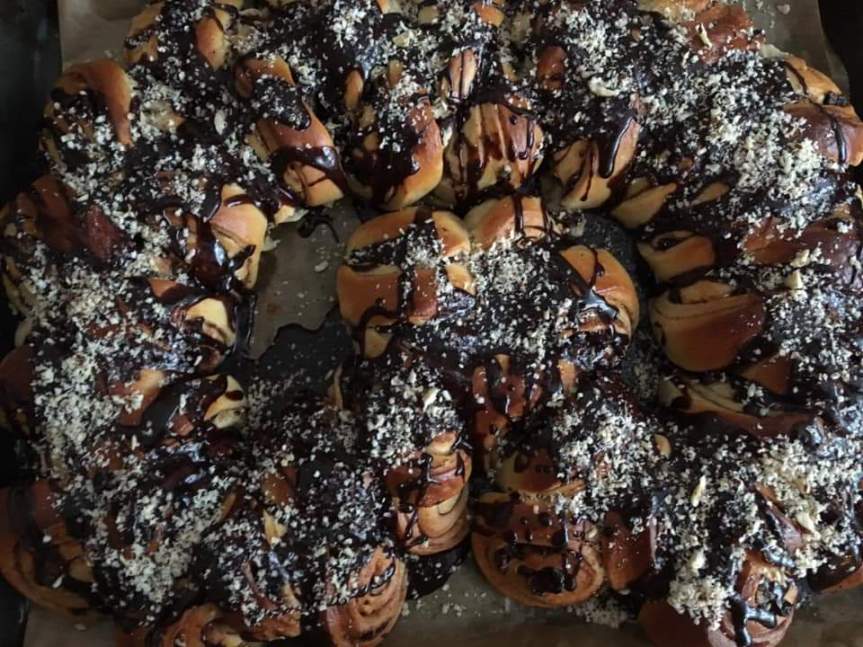
In friendly Kringel family are three delicious members. Kringel is big. And look like a pretzel.FB_IMG_1549396957256 The smaller Kringel look like a round wreath. And the smallest Kringel is just a loaf. We call this ” Stritsel”.
Continue reading “Estonian Kringel with marzipan and cowberry filling. Kringel.”
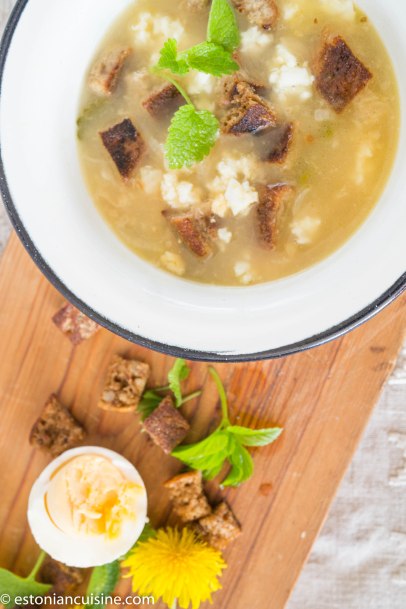
Nettle Soup. Nõgesesupp

weedsoup (17)Sour and sweet weed soup with onions and balanced with rye bread.
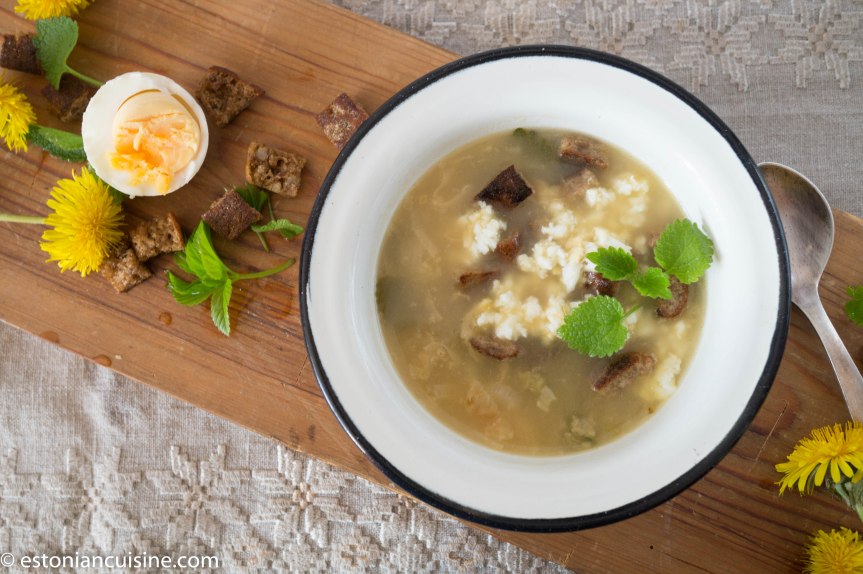
The recipe is basing on classical onion soup recipe.

Nettles are very important and has been used in Estonian folk medicine centuries.
Folk wisdom teaches that nettle contains vitamins C and K, B vitamins, as well as minerals like calcium, magnesium and iron, to name a few
The nettle takes away fatigue, abdominal pain and water swelling, reduces and stops bleeding, reduces the appearance of diabetes mellitus

And did you know: nettles contain vitamin C 2.5 times more than the lemon (660 mg%).

But of course, you can use any weed to replace nettles. Goutweed taste like carrots and celery. Nettles are a little bit sweet. And wood sorrel is sour.
Nettles keep 1-2 minutes in the boiling water. Goutweed and wood sorrel are edible fresh.

NB! Use only young, fresh, new, small weed, growing in the pure environment.weedsoup (1)

Continue reading “Nettle Soup. Nõgesesupp”

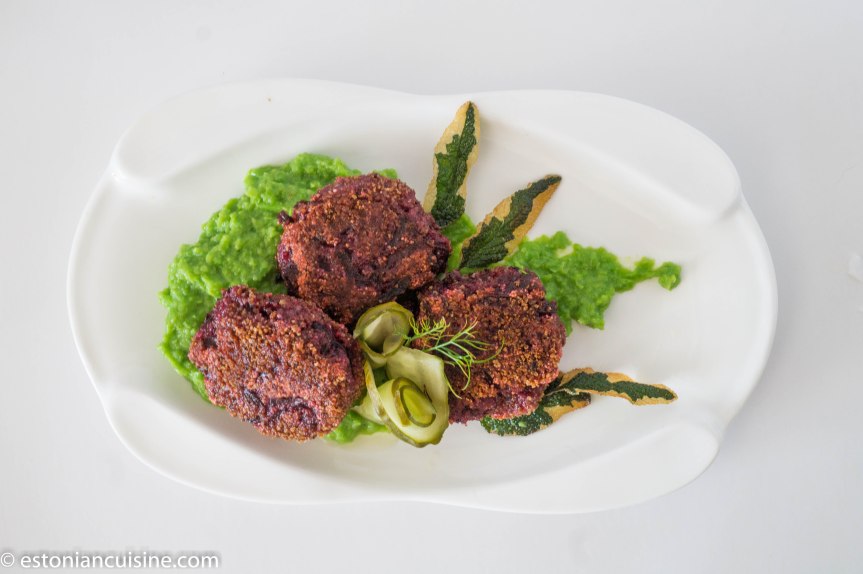
Beetroot Fritters. Peedikotletid

Beetroot is delicious. And healthy. While beetroot is sweet I prefer to serve it with pickled cucumber or cheese to complement sweetness with sour and salty.
Caraway seeds is something Estonian. This is obvious that beetroot and caraway seeds goes together.
peedikotlett1 (7)
Add semolina to achieve best conistent and thickness. In case beetroot is very juicy you need this maybe more.
Continue reading “Beetroot Fritters. Peedikotletid”

Easter Paskha Cake. Pashakook

lihav6ttekook (1)Paskha (also spelled pascha, or pasha; Russian: па́сха; [ˈpasxə]; “Easter”) is a festive dish made in Eastern Orthodox countries.
Estonian religious population is predominantly Christian. In 1845–1848, the movement from the Lutheran Church to the Russian Orthodox Church took place in all the southern Estonian counties and about 17% of the peasants in southern Estonia converted to Orthodoxy.  Until then, Orthodoxy was mainly the religion of the local Russians and Seto (Setu) people.
Reason to change religion was hope to get land and better conditions.

So, lot of Russian Orthodox Church rituals and dish are still popular. I am personally do not like pasha. But pasha- inspired cake is very delicious.

Continue reading “Easter Paskha Cake. Pashakook”

Nettle Salad. Nõgesesalat

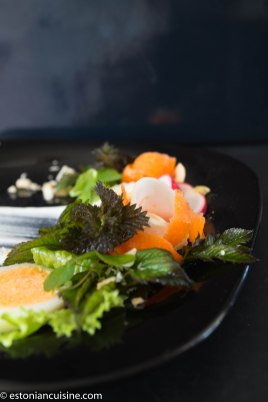
n6gesesalat1(17)Spring means a lot of weed…
But I have a solution, Just eat them:)
I am not going to talk about the benefits of nettles, wood sorrel, dandelion leaves and goutweed. You can read this from Wikipedia 🙂

But believe me, they are healthy. The first source of vitamins in spring.

Goutweed taste like carrots and celery. Nettles are a little bit sweet. And wood sorrel is sour.
Nettles keep 1-2 minutes in the boiling water. Goutweed and wood sorrel are edible fresh.
NB! Use only young, fresh, new, small weed, growing in the pure environment.


Continue reading “Nettle Salad. Nõgesesalat”

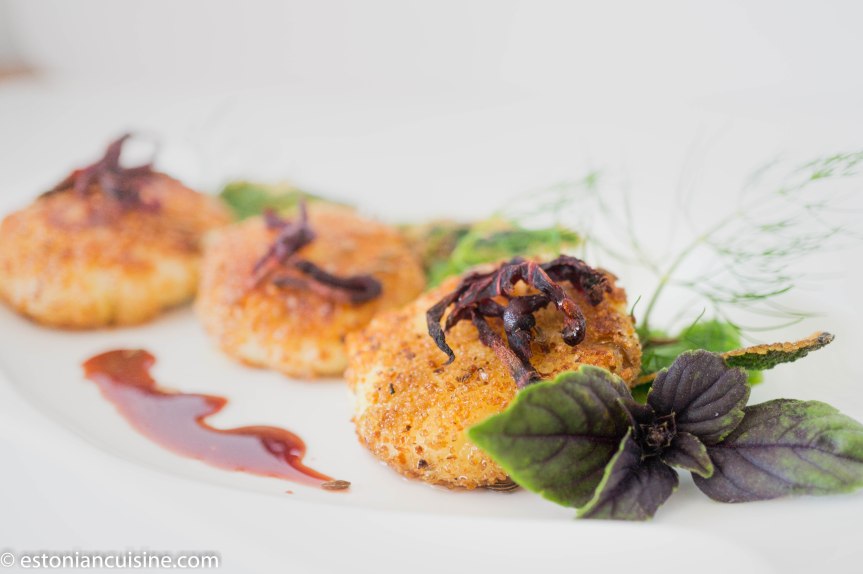
Quark and Potato Fritters. Kohupiima ja kartulikotletid

Great dish for ” Meatless Mondays” 🙂 A  light vegetable fritters for a dinner. Consist of two very important Estonian ingredients: potatoes and quark. Wonderful Carbohydrates and protein combination 🙂

Very easy to make and the flavour is just delicious.

Did you know ?

Estonians, like Mexicans, put sour cream (a version of crème fraîche that contains less fat) on almost everything. And anyone who’s had Mexican food knows it’s not as disgusting as it sounds – it’s actually quite delicious.
kartulikohupiima1 (6)
Continue reading “Quark and Potato Fritters. Kohupiima ja kartulikotletid”

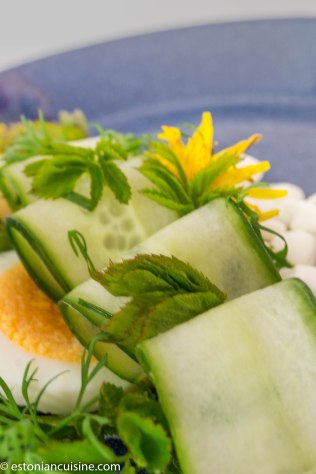
Goutweed Salad with Cottage Cheese. Kodujuustu-naadisalat

naadisalat1(15) Today, 70 years ago, was for 20 000 Estonians and their families very sad day.
On 25 March 1949,  29,379 people, mostly women and children, were deported from Estonia to Siberia.

8 years before, on 14 June 1941, 10,000 people were deported from Estonia.

What was their guilt?  The deportations targeted various categories of anti-Soviet elements and “enemies of the people”: the members of the former governments, higher state officials and judges, higher military personnel, former politicians, members of voluntary state defence organisations, members of student organisations, persons having actively participated in anti-Soviet armed combat, Russian émigrés, security police officers and police officers, representatives of foreign companies and in general all people having contacts abroad, entrepreneurs and bankers, clergymen and members of the Red Cross, kulaks,  Approximately 23% of the population belonged in these categories. Entire families, including children and the elderly, were deported without trial or prior announcement. Of March 1949 deportees, over 70% of people were women and children under the age of 16.
Because of cold, starvation and hard work, a great many of the deportees died. Less than half of the deportees ever returned to their homeland

Let’s remember all these people.

Today, for us eating weed, vegetarianism and everything from nature is cool. At that time, it was a matter of survival. I hope and believe that history never repeats. But knowledge about edible plants is still valuable.

Continue reading “Goutweed Salad with Cottage Cheese. Kodujuustu-naadisalat”

Rye Cream. Rukkijahuvaht

rukkijahuvaht-3If Rye Cream seems to you too exotic, cook Semolina Cream. look at recipe 
My Grandmother called Semolina Mousse as ” Wind Porridge”. Because it is “fills” but does not feed:) Rye has a little bit bitter, specific caramel taste. I love this more than wheat semolina.

Light and fluffy dessert is perfect with cold milk


Did you know?

The world’s oldest rye variety still cultivated is Sangaste rye. The robust yielding, long straw and frost-resistant variety were developed in 1875 by Count Friedrich Georg Magnus von Berg, the German-Baltic owner of Sangaste manor in Estonia. Years later, the same variety was developed into Kodiak rye in Canada and used to make Canadian Gold whisky.


Continue reading “Rye Cream. Rukkijahuvaht”

Thick Potatoes. Paksud kartulid

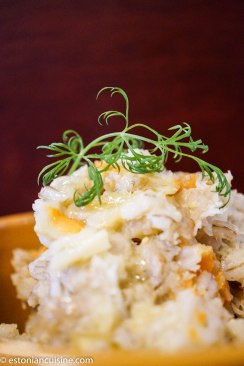
pakskartul (7)Very nutritious vegetable dish. Combine different vegetables for a different result.

And add more colour by adding more carrots or turnip or celery.

Serve with a side dish with meat or fish. Or as vegetable porridge.
Serve with sour cream or butter. And drink some sour milk, as Estonians usually do 🙂


Did you know?
Lactobacillus fermentum ME-3, the bacteria discovered in 1995 by the University of Tartu research teams, led by professors Marika Mikelsaar and Mihkel Zilmer, are unique in the world because of their combination of antimicrobial and antioxidative effects. They protect human health by attacking harmful microbes and contributing to physical well-being. The ME-3 can rightfully be called the first Estonian probiotic lactic acid bacteria and the EU patent permits it to be used in the food industry in 15 European countries. Continue reading “Thick Potatoes. Paksud kartulid”