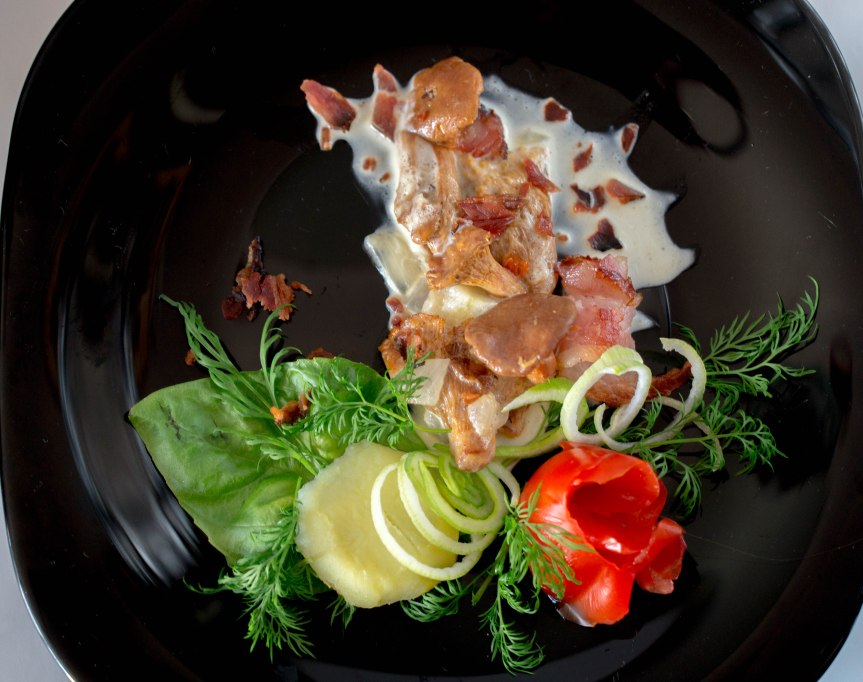
Chanterelle Sauce with fresh and boiled new potatoes in something MUST be in the summer. Fresh mushrooms and fresh potatoes and a lot of fresh dills. This is summer.
Picking wild mushrooms means the aromas of the fields and the forest.
And in July, there are not only mushrooms. Blueberries and cowberries. Hot air. The smell of the pines. Later, in autumn, the smell of wet dead leaves. Something mysterious and captivating.
When I am writing mushrooms., I mean wild mushrooms. chanterelle, boletuses, russula. And other Mushrooms that do not need blanching.
Please, turn on the kettle !, I asked the husband
Few minutes later.
I am going to the kitchen.
Pouring water in to the cup.
And leaving the tea to infuse and set.
Very carefully, blowing … and sipping
cold peppermint flavoured tap water… 🙂 🙂
It is impossible to cook a hot tea from water, forgotten to put it to boil…:)
I believe that each Estonian has own recipe what to do with cucumbers. I already shared one recipe and I will share them more. But if you have not time and you need brine cucumbers as soon as possible. This is one option.
My father was born in 1943. So, he was a child after the war. This was a terrible time. Estonia was occupied by the Soviet Union, Hunger and poverty. In March 1949, 20,722 people (2.5% of the population) were deported to Siberia.
Started collectivization. Forcibly was established collective farms, which means that all farmers must give all animals to collective farms. All over the countryside, the establishment of kolkhozes was announced and the majority of the peasants joined ‘voluntarily’, fearing that they would be deported if they did not sign up. During the 1950s, masses of farm animals would starve to death in late winter or early spring because of a lack of fodder. Collective farmers did not get first years any salary.
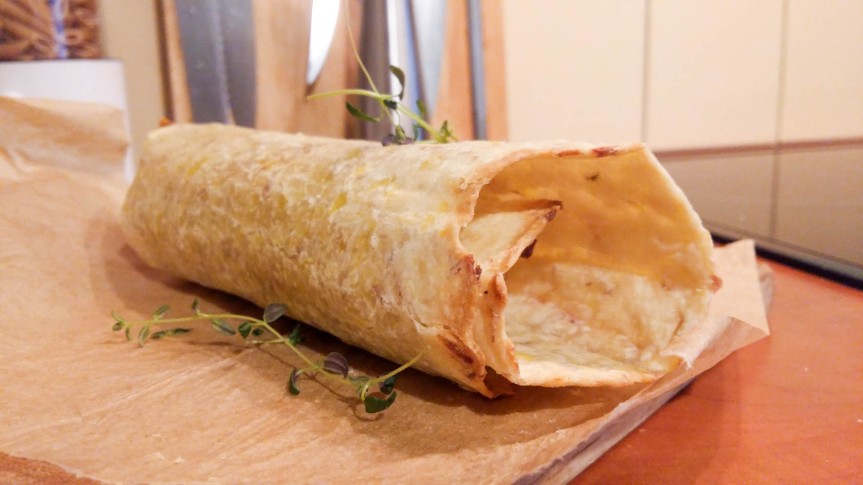
Because was lack of eggs and everything, children invented ” bread”, to have something to eat. They mixed potatoes, flour and oil and baked this on to the wood burning stove iron.
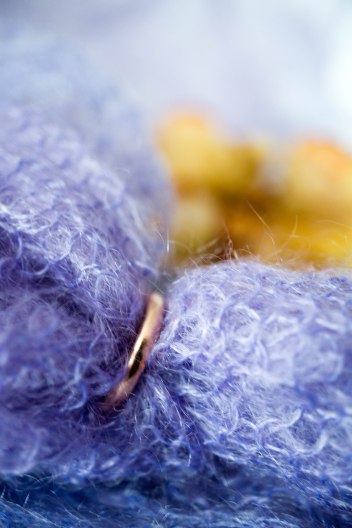
Haapsalu shawl over 200 years old Estonian traditional lace shawl. Always knitted with fine wool, so you can pull the shawl through wedding ring.
Haapsalu shawl over 200 years old Estonian traditional lace shawl. Always knitted with fine wool, so you can pull the shawl through wedding ring. The skill has been handed down from mother to daughter, from one master knitter to another for one and half centuries.
Haapsalu, a small resort town on the west coast of Estonia, is famous for its 13th-century castle ruins, curative mud baths, and the legend of the White Lady. Created using lambs’ wool, the tradition started when members of the Russian aristocracy – including the royal Romanov family – visited the famous healing mud baths at the start of the 19th century. As they walked from the warm baths into the chilly courtyard outside, these women would fling a delicate shawl around their shoulders to keep warm.
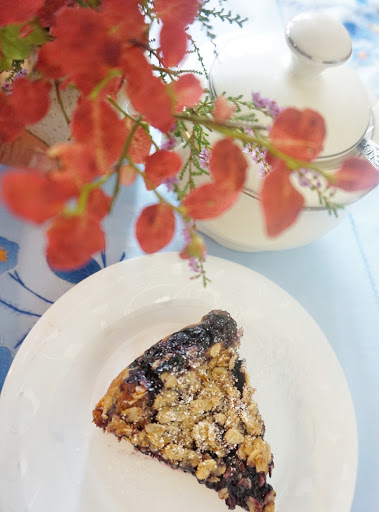
Haapsalu shawl is something I am never able to knit, but I believe, that this cake is the most easily baked pie in the world.
My grandmother did this using barley flour. But this is same delicious with wheat or whatever flour. Continue reading “Soft and Delicious Grandmothers Apple or Rhubarb Pie”→
But.. as usual, any information about what song it is and who was presenting this song ( is this not unlawful?!)
Anyway. I wanted to know.
I brought a computer . Throw front of the television. Reversed film.
Opened midomi.com, but… some problems with microphones and I failed. No result.
But, wait, I have a phone and SoundHound!
Next attempt.
No results. Saying the program.
I am trying to song it by myself, but 12 years as chorist is nothing. Program does not recognize my song.
I scroll the film back and forth.. and finally!
at least! program saying to me: Why worry? This is Dire Straits and Brothers in Arms.
Yesss!! I am happy and start to listen to.. Brothers in Arms.
BUT. This is NOT THIS song!!?
Next attempt and second attempt. And no result,
Only consolation, my dear,
Why worry? xvihoqcb…. Yes, I AM worry !!!!!! Because… I want to know what song it is ?!
Finally I tried some other song… and
realized, that…
this was the song title…
” Why worry”…. 🙂 🙂
Jaaniõhtu (Midsummer Eve – 23 June) and Jaanipäev (Midsummer Day, St John’s Day – 24 June) are the most important holidays in the Estonian calendar.
The Jaanipäev celebrations were merged with the celebration of Võidupüha (Victory Day) after the War of Independence, when the Estonian forces defeated the German troops on 23 June 1919.
So, we have a long holiday 🙂
Jaanipäev is summer solstice and we say ” the sun does not go down”. Even at 10 pm, you can read a book, because is enough light 🙂 This is the day when all children have permission to be awake overnight.
To be honest. Because of global warming summer is not summer anymore. My birthday is on the 17th of June, and a few years ago on my birthday was snowing!
And about Jaanipäev- yes we have bonfires, but usually, exactly this evening is raining or a lot of mosquitoes and.. this is not very fun:)
But still, until today we believe: the lighting of the bonfire and jumping over it. This is a way of guaranteeing prosperity and avoiding bad luck.
In Estonian fairy tales and literature, there is a tale of two lovers, Koit (dawn) and Hämarik (dusk). These two lovers see each other only once a year and exchange the briefest of kisses on the shortest night of the year. Earth-bound lovers go into the forest looking for the “flower of the fern” which is said to bloom only on that night.
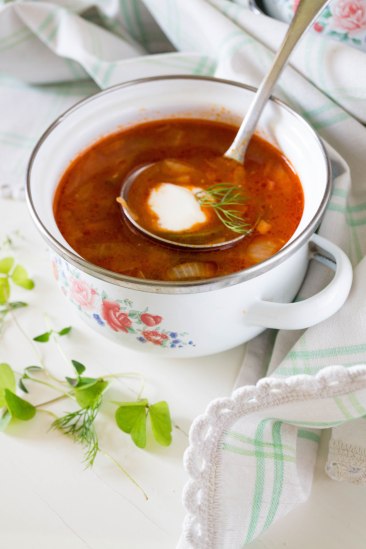
So, this is an important day for young pars…:) and lot of grill and chill. And next morning you just need a sour and sweet soup. I do not call this Solyanka, because real Solyanka is a little bit different. But very similar:) This is Selyanka-type soup. Continue reading “After Party Soup. Seljanka”→
How to get married?
• On a Midsummer night pick the nine different flowers and put the bouquet under your pillow. Man, you are dreaming of, will be your future husband
• On a Midsummer night go to the sauna and whisk the nice boys. A Sticking birch leaf shows your future husband
• Wash yourself with Midsummer morning dew, it makes you beautiful
• If you can find a fern’s blossom on a Midsummer night, you will be rich and become able to understand animal languages.
So, if you are rich and beautiful and able to speak with everyone, you are will definitely get married 🙂
Jaaniõhtu (Midsummer Eve – 23 June) and Jaanipäev (Midsummer Day, St John’s Day – 24 June) are the most important holidays in the Estonian calendar.
Jaanipäev is summer solstice and we say ” sun do not go down”.
In Estonian fairy tales and literature, there is a tale of two lovers, Koit (dawn) and Hämarik (dusk). These two lovers see each other only once a year and exchange the briefest of kisses on the shortest night of the year. Earth-bound lovers go into the forest looking for the “flower of the fern” which is said to bloom only on that night.
We have saying: where are two Estonians, there are three opinions and four political parties ( and as added our president Kersti Kaljulaid .. five tweets and six Facebook posts and seven online headlines which has a different message.
I believe that on the internet there are at least billion food photos, And at the same time, I believe that at least half of it is staged and better than in real life.
In real life, we do not know, how and what people are eating.
When I talk about Estonians in my blog I certainly generalize.
One important topic is the sauce. When I say: Estonians making the sauce. It means a different thing:
A friend told me, that there are only a few families who care cook some sauce. Most people do not make the sauce at all; some of them use a cold sauce, which means sour cream with some greens.
but I am about to tell you about the real warm Estonian sauce that makes Gordon Ramsay swoon.
To cook a typical Estonian sauce you should mix cold water with some flour and pour the mixture into the boiling cream or milk. and yes, there are different understandings and schools:) Some people prefer milk, some cream with 10% fat and some people cream with 35% fat,
And one more interesting fact. In Estonia, there are two words that can be used to call a ” sauce”. Similar to the English word ” sauce” we have ” soust”. ” soust” is more rustic and thicker,. The second word is “kaste”, which is coming from the words watering, moistening.
This is easy and very quick Sauce, which probably do not need any recipe. But, because this is very traditional in Estonian food-table, let it be:)

 Please, turn on the kettle !, I asked the husband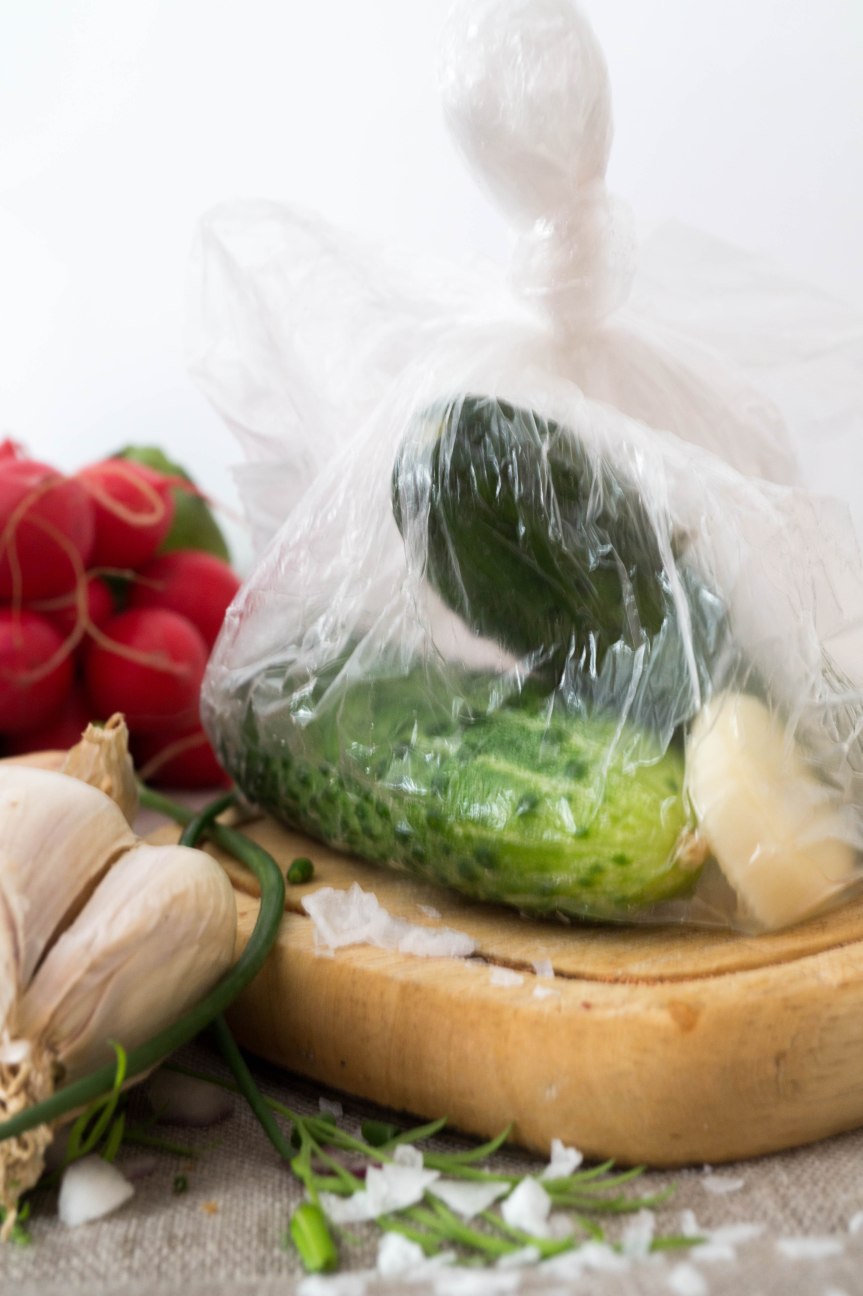

 Estonian Cuisine. Eesti Toit.